


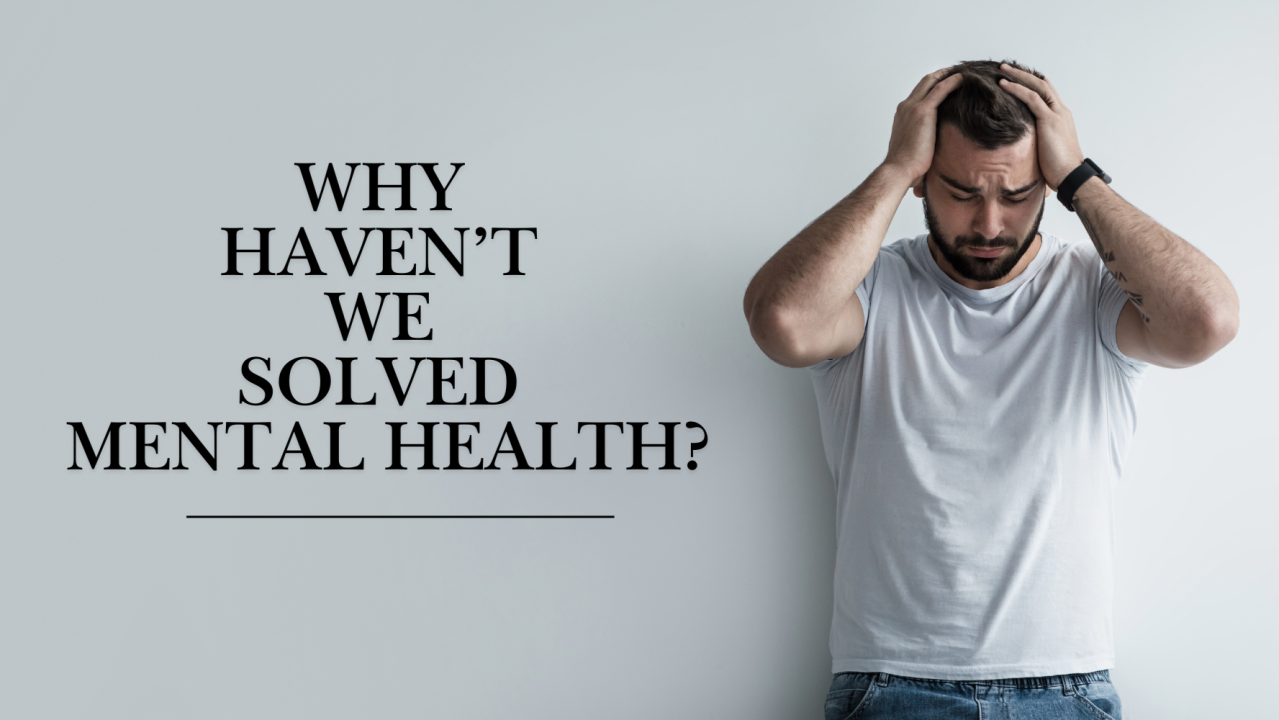
Why is mental health rising in Australia? In 2025, this isn’t good enough!
“This article was written by our Founder, Dr Kylie Henderson.”
The rise in mental health issues in Australia is a concerning trend that has been observed over the past few years. According to the Australian Institute of Health and Welfare, there has been a noticeable decrease in the average mental health score for females, dropping from 70 to 62. This trend is more pronounced in younger females aged 15-34, who recorded an average score of 62 in 2021.
The Australian Bureau of Statistics (ABS) has also reported a significant increase in mental health disorders among young people, with a surge of nearly 50 per cent in 15 years. The data shows that 40 per cent of 16 to 24-year-olds reported experiencing a mental health disorder between 2020 and 2022.
When psychology knows the answers to mental health – why isn’t it fixed?
The Australian Psychological Society has highlighted the difficulty many people face in accessing mental health services, particularly those dealing with complex traumas or more serious mental health issues. The cost of these services can be a significant barrier, with many people unable to afford the necessary help.
The National Study of Mental Health and Wellbeing revealed that there were 4.3 million Australians aged 16–85 years with a 12-month mental disorder, of which 1.4 million (33.3%) were dispensed at least one PBS subsidised mental health-related medication in the 12 months prior to the interview.
Mental Health Australia’s 2023 Report to the Nation found that over half of Australians believe the rising cost of living is having a significant impact on their mental health. One in five Australians have found cost to be a barrier to accessing mental health support over the past year.
The Black Dog Institute has reported that mental ill health is rising at an alarming rate, with almost two in five young Australians now living with a mental illness—a 50% increase over the last 14 years.
So why else is mental health rising?
There are a mix of environmental, social and biological factors behind the rise in mental health issues, including an increase in ‘risk factors’ like social disconnection, unemployment or underemployment, and weaker ‘protective factors’ such as emotional intelligence, strong relationships and poorer lifestyle choices such as the use of drugs or alcohol.
What are we spending to fix this problem?
The Australian Institute of Health and Welfare estimates that around $11.6 billion per annum is spent on mental health-related services in Australia. Despite this, the rate of mental illness isn’t going down. If mental health was a physical condition – would we be spending more?
In 2025, this isn’t good enough.
The current state of mental health in Australia is a crisis that needs immediate attention. The rise in mental health issues, coupled with the barriers to accessing necessary help, is a serious concern that needs to be addressed urgently. An all of Government response is required. No longer can we just consider mental health as part of our Health Departments, what is happening in our schools for our children? Mental health education and emotional regulation should be mandatory part of the curriculum in schools. Employment services providers who invest in mental health services such as Back2Work understand that mental health cannot be delivered as a silo. Skills and Employment Ministers need to be more proactive about mental health because unemployment is a known risk factor. Something has to change because the mental health of Australians is a priority that all sides of Government and Ministries cannot ignore.